Darknet Markets 2026:
The dark web is part of the deep web but is built on darknets: overlay networks that sit on the internet but which can't be accessed without special tools or software like Tor. Tor is an anonymizing software tool that stands for The Onion Router — you can use the Tor network via Tor Browser.
| Darknet Market | Established | Total Listings | Link |
|---|---|---|---|
| TorZon Market | 2022 | 140+ | Onion Link |
| Nexus Market | 2024 | 600+ | Onion Link |
| Abacus Market | 2022 | 100+ | Onion Link |
| Ares | 2026 | 100+ | Onion Link |
| Cocorico | 2023 | 110+ | Onion Link |
Updated 2026-10-28
How Decentralized Hosting Keeps Darknet Markets Running Smoothly
The operational resilience of darknet markets in 2025 is fundamentally anchored in decentralized hosting architectures. Unlike earlier centralized models vulnerable to single points of failure, contemporary platforms distribute their infrastructure across a global mesh of servers and nodes. This approach leverages blockchain-based coordination and peer-to-peer networking to maintain service continuity. If one node is compromised or taken offline, the system automatically reroutes traffic to other active nodes, preserving platform availability for users and vendors.
This technical evolution directly supports market stability and vendor reliability. A persistently accessible platform allows trusted vendors to maintain their storefronts and reputation scores without interruption, which is critical for sustained commerce. The decentralized model reduces the risk of large-scale market takedowns that previously disrupted the ecosystem, leading to:
- Consistent access to buyer feedback and chemical analysis reports.
- Uninterrupted execution of escrow and finalize-early transactions.
- Reliable communication channels for order logistics and support.
The result is a more predictable and secure trading environment. This infrastructure ensures that the core functionsvendor reputation systems, quality control mechanisms, and discreet shipping coordinationoperate without the volatility that plagued earlier market generations, fostering a professionalized e-commerce experience.
How Built-In Tumblers Make Darknet Shopping More Private and Secure
The integration of built-in cryptocurrency tumblers directly into darknet market platforms represents a fundamental architectural shift for 2025. This move addresses the primary weakness of blockchain-based transactions: their public and permanent nature. Earlier models required users to source external mixing services, a step that introduced operational risk and complexity. Now, the process is seamless and automated upon withdrawal or deposit.
The mechanism functions by pooling user funds and redistributing them in randomized amounts from clean addresses not linked to the market. This severs the on-chain link between a buyer's initial wallet and the final destination address used for a purchase. For the user, this translates to a simplified workflow where privacy is a default setting, not an optional add-on. The technical implementation typically involves a combination of CoinJoin protocols and trustless smart contracts, ensuring the service itself cannot confiscate funds.
The consequence for platform stability and user trust is significant. By making financial obfuscation a core feature, markets reduce a critical vector for external analysis and intervention. This fosters a more secure environment where participants can engage with greater confidence, knowing their transaction history is not trivially traceable. The privacy extends to vendors as well, protecting their revenue streams and operational security. This built-in layer of financial privacy is a cornerstone for the sophisticated e-commerce ecosystem darknet markets are evolving into, supporting reliable trade by minimizing external financial scrutiny.
Better Trust Systems for Safer Darknet Shopping
The evolution of darknet markets in 2025 is characterized by a significant maturation of vendor reputation and trust systems. These systems have moved beyond simple feedback scores to create a multi-layered, transparent, and data-driven environment that closely mirrors the trust mechanisms of mainstream e-commerce platforms, thereby enhancing transactional security and consumer confidence.
Modern trust frameworks integrate several key components. Multi-signature escrow services are now standard, requiring both buyer and vendor approval before funds are released, which drastically reduces the risk of fraud. Vendor profiles display granular metrics, including detailed order completion rates, shipping consistency, and communication responsiveness. The integration of standardized chemical analysis reports directly into product listings provides verifiable, objective data on product purity and composition, allowing buyers to make informed decisions based on laboratory evidence rather than subjective reviews alone.
This data-centric approach fosters a self-regulating ecosystem where high-quality vendors are easily identifiable and economically rewarded. The reputation system creates a powerful incentive structure: vendors with proven track records in discreet logistics and consistent product quality gain higher visibility and customer loyalty. Consequently, the market naturally elevates reliable actors, marginalizing those who fail to meet established standards. This results in a more stable trading environment where predictable, satisfactory exchanges are the norm, directly supporting the availability of quality products and reliable service that define the contemporary darknet experience.
Better Drugs and More Choice on the Darknet
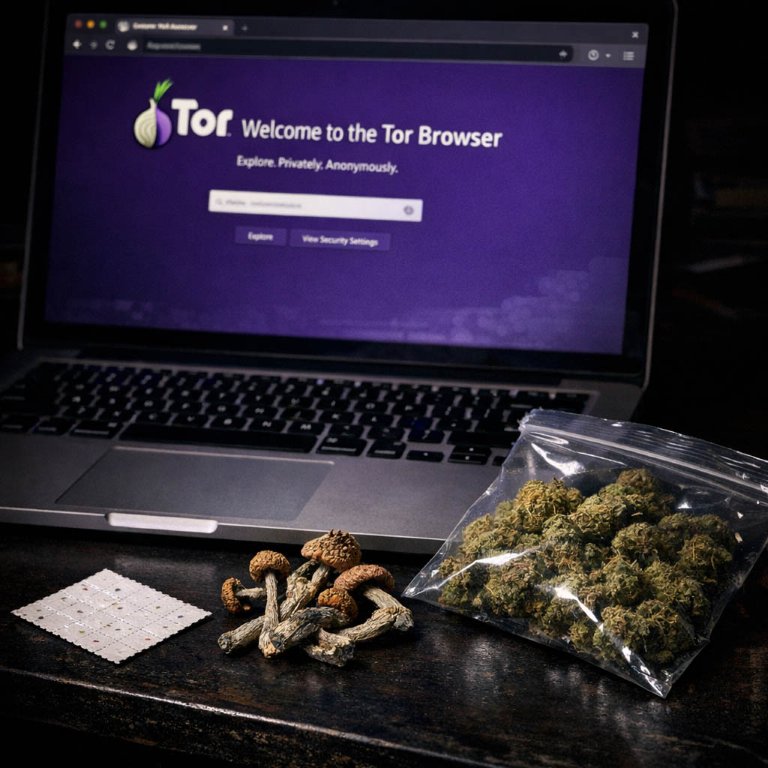
The evolution of darknet markets by 2025 has directly addressed historical consumer grievances through systematic improvements in product variety and quality control. Market platforms now function as sophisticated quality assurance hubs, implementing standardized procedures that benefit both vendors and buyers. This shift has transformed the landscape from a risky gamble into a predictable commercial environment.
A primary mechanism is the widespread adoption of standardized chemical analysis reports. Independent testing services, endorsed by market administrators, provide verified data on substance purity and composition. These reports are mandatory for vendor shopfronts, allowing buyers to make informed decisions based on empirical evidence rather than vendor claims. The consistent availability of this data has created a powerful market incentive for vendors to maintain high purity standards, as products with verified analysis consistently outperform unverified listings in sales volume and reputation.
Product variety has expanded beyond traditional categories to include niche and research-grade substances, catering to a more diverse consumer base. This expansion is supported by vendor specialization and improved supply chain logistics. The competition driven by transparent reputation systems encourages vendors to differentiate their offerings through:
- Consistent batch quality and precise dosage information.
- Superior product presentation and discreet, secure packaging.
- Responsive customer service and clear communication policies.
The cumulative effect of these developments is a self-regulating ecosystem where vendor accountability is enforced by market dynamics. High-quality vendors with verified products and positive feedback gain prominent placement and sustained business, while those failing to meet standards are quickly marginalized. This environment reliably delivers product consistency, directly increasing user satisfaction and platform stability.
Lab Reports Make Darknet Drugs Safer
The provision of standardized chemical analysis reports represents a fundamental shift in consumer safety and vendor accountability on the darknet. These documents, often provided by independent third-party testing services, detail the precise chemical composition, purity percentage, and the presence of any adulterants in a given substance. For the buyer, this transforms the transaction from a gamble into an informed purchase, directly addressing the historical risk of misrepresented or dangerously cut products.
The process is integrated into the marketplace ecosystem. A vendor submits a sample from a specific batch to a recognized testing lab. The resulting report, which includes a unique identifier linking it to that batch, is then posted on the product listing. This system creates a verifiable chain of evidence for quality. Buyers can now compare products based on empirical data rather than vendor claims alone, fostering a competitive environment where product quality becomes a primary market differentiator.
The widespread adoption of this practice yields several concrete outcomes:
- It establishes a de facto quality standard that reputable vendors must meet to maintain their standing.
- It significantly reduces health risks for end-users by identifying harmful substances like fentanyl analogs or toxic cutting agents.
- It builds systemic trust, as the objective data diminishes the need for blind faith in a vendor's reputation.
Consequently, these reports are not mere add-ons but are central to the professionalization of darknet commerce, aligning vendor success directly with the reliability and safety of their inventory.

How Discreet Shipping Makes the Darknet Work
The operational backbone of the 2025 darknet market is its logistics framework. Transaction success depends entirely on the physical delivery of goods, making shipping the most critical vulnerability point. Modern platforms have engineered this process to mirror, and in some aspects surpass, the reliability of conventional e-commerce.
Vendors now employ a multi-layered approach to packaging. Standard practice involves vacuum sealing to eliminate odor, followed by a mylar barrier to defeat X-ray scanning. The final package is a nondescript cardboard box or a padded envelope, indistinguishable from thousands of other legitimate parcels. Sender addresses are often falsified or routed through drop shipping services to further distance the vendor from the physical item.
Logistics reliability is enhanced by sophisticated tracking and communication systems. Buyers receive real-time updates, not through a centralized courier website, but via encrypted messages on the market platform itself. This creates a closed-loop system where the buyer can confirm receipt and finalize the transaction, which in turn releases escrow funds to the vendor. This financial mechanism incentivizes vendors to ensure successful delivery.
The evolution of shipping methods includes:
- Domestic priority mail from within the buyer's country to avoid customs.
- Strategic use of legal decoy items to explain the package's contents if questioned.
- Stealth techniques tailored to the product's form factor, whether powder, pill, or plant material.
This focus on discreet and reliable logistics directly translates to market stability and user satisfaction. It reduces financial losses, minimizes operational risks for both parties, and builds a foundation of trust that is essential for repeat business and long-term vendor reputation.
Easy and Safe Shopping on the Darknet
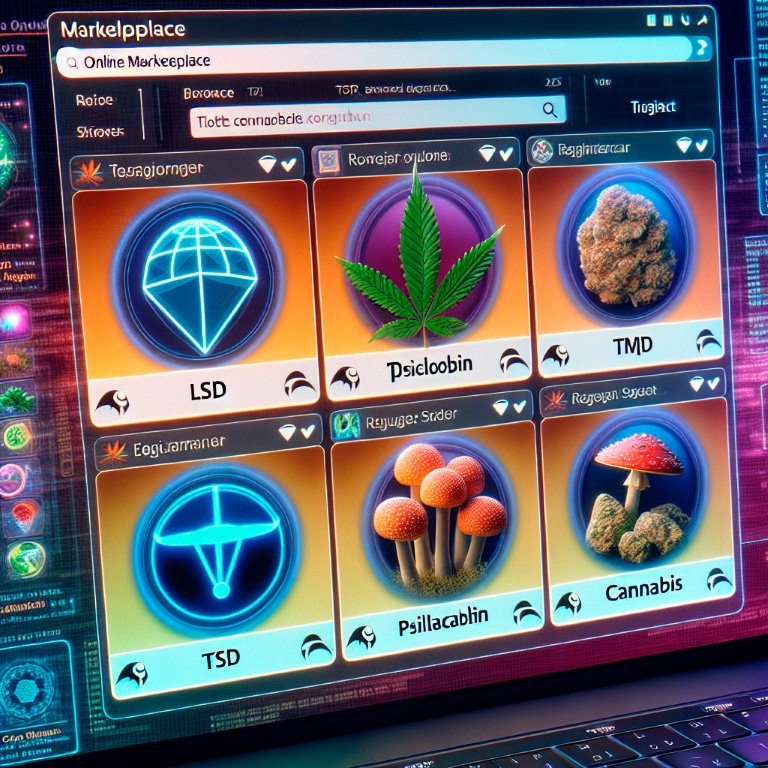
The evolution of darknet markets by 2025 has prioritized user experience to a degree that rivals mainstream e-commerce platforms. This focus directly addresses the core demands of the secure drug trade: establishing transactions with reliable vendors, ensuring discreet shipping, and guaranteeing quality products. The interface is no longer a barrier but a facilitator, designed for intuitive navigation and efficient operation.
Market design reduces cognitive load and operational risk. Vendor storefronts are standardized, presenting critical information at a glance:
- Detailed vendor reputation metrics and historical data
- Standardized chemical analysis reports for each product batch
- Clear pricing and available shipping options
This transparency allows buyers to make informed decisions quickly, building trust before a transaction is initiated. The checkout and communication processes are streamlined, automating encryption and minimizing the steps required to finalize an order. The entire journey, from browsing to finalizing delivery details, is engineered for satisfaction through predictability and security. The system's reliability fosters repeat business and stabilizes the marketplace, as users return to platforms that consistently deliver on their promises without unnecessary complication.
How Darknet Commerce Works Like Modern Online Shopping
The evolution of darknet markets by 2025 has transformed them into platforms that mirror the efficiency and user-centric models of mainstream e-commerce. The primary driver of this shift is the establishment of a secure and reliable ecosystem for transactions. This is achieved through decentralized hosting architectures that prevent single points of failure, ensuring platform stability and continuous availability for users. The integration of built-in cryptocurrency tumblers provides an additional layer of financial privacy, making transactions discreet and separating them from a user's public blockchain identity.
Vendor reliability is no longer a matter of guesswork. Advanced reputation systems utilize multi-factor feedback mechanisms, analyzing metrics beyond simple ratings. These systems track order fulfillment speed, communication quality, and most importantly, product consistency. This data is transparently available to buyers, creating a competitive environment where only vendors with proven track records thrive. The reputation mechanism is further reinforced by the widespread adoption of standardized chemical analysis reports. These reports, often provided by trusted third-party services, verify the purity and composition of products, allowing buyers to make informed decisions based on empirical data rather than marketing claims.
The logistical aspect of the trade has seen significant professionalization. Shipping methods are designed for maximum discretion and reliability, utilizing techniques and packaging that blend seamlessly with legitimate mail. This focus on stealth and consistency directly reduces operational risks for all parties involved. Consequently, the product variety available has expanded in both scope and quality. Vendors compete on the specificity and purity of their offerings, catering to a knowledgeable clientele that expects a certain standard. The combined effect of these developments is a user experience designed for satisfaction and repeat business, where the processes of selection, purchase, and receipt are streamlined, predictable, and secure.